

▲ ☰

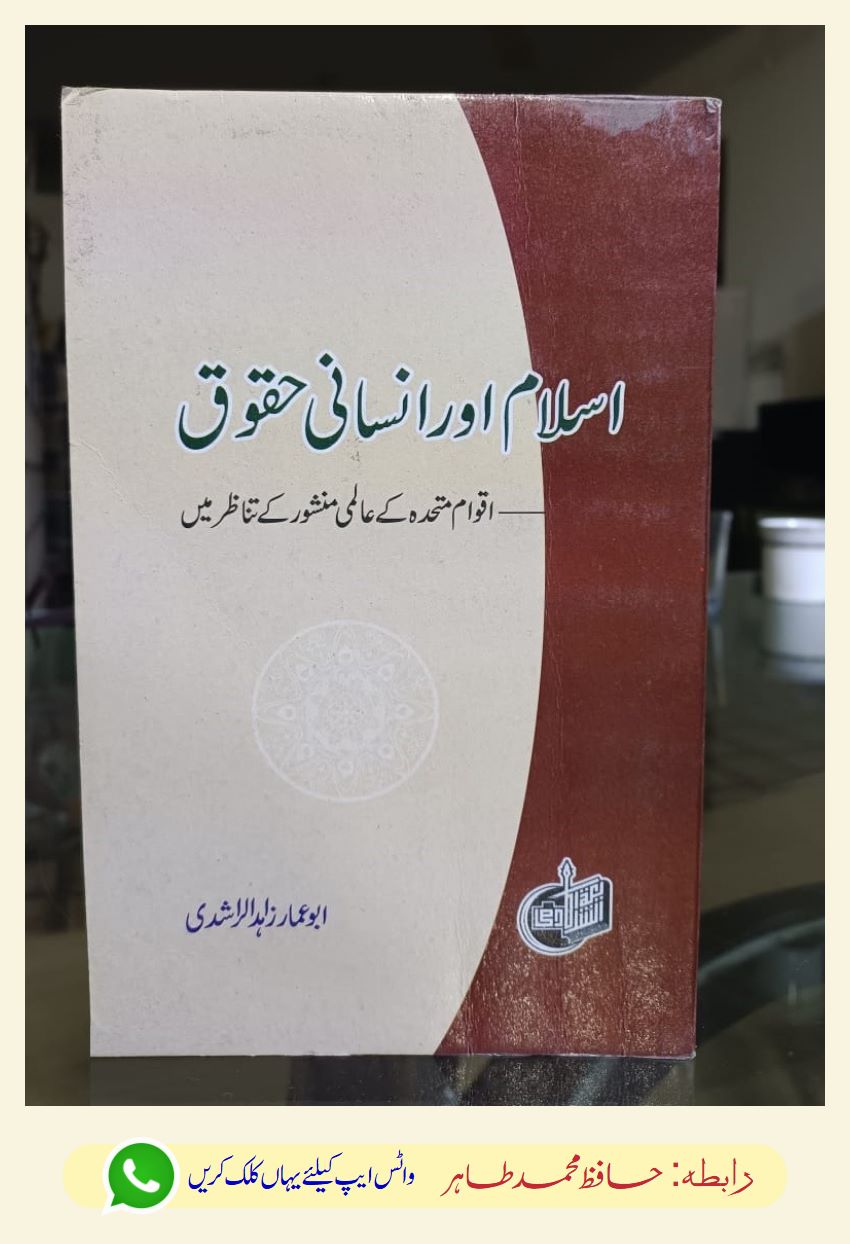
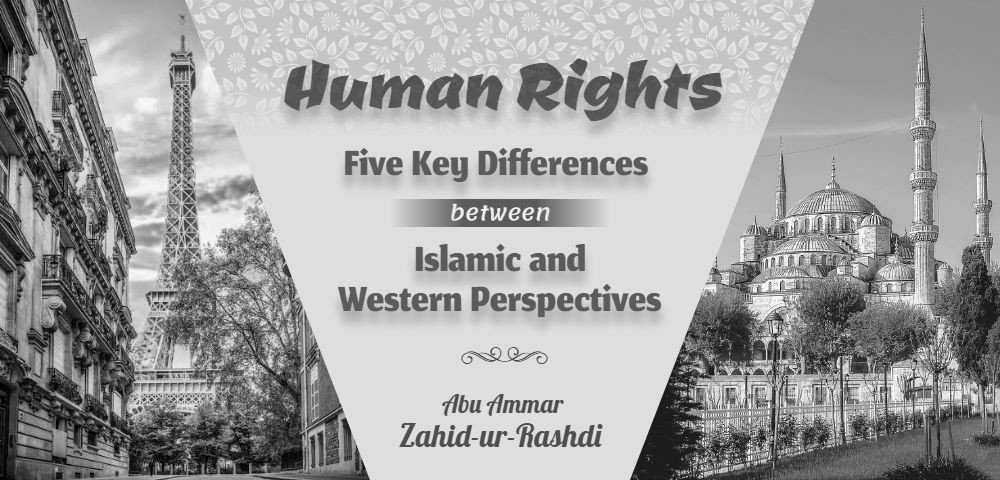
Human Rights: Five Key Differences Between Islamic & Western Perspectives
Human rights is an important topic in today's world, and it is perhaps the subject most discussed. There are many aspects of discussing human rights in the context of Islamic teachings that need to be addressed. However, in today's gathering, I would like to present some remarks on just one aspect: what is the difference between the contemporary philosophy of human rights and the Islamic philosophy of human rights?
As far as human rights are concerned, the Holy Quran has also discussed its numerous aspects, and the Noble Prophet (peace be upon him) has explained dozens of its dimensions. However, there are several fundamental and principled differences between the contemporary philosophy of human rights and the teachings of the Quran and Sunnah in this regard that must be understood.
(1) The first difference in this context is terminological: the mutual rights of human beings, which are referred to in today's modern philosophy as "human rights", have been mentioned in Islam under the title of "Huquq al-Ibad" (the rights of people). Regarding Huquq Allah (the rights of God) and Huquq al-Ibad (the rights of people), there exists a vast body of guidance and commands in the Holy Quran and the Prophetic Sunnah, and it is so organized and coherent that perhaps no other system presents the details and priorities of human rights that the Quran and Sunnah have indicated.
(2) The second difference is that today's philosophy of rights confines the list of rights to human society alone and does not discuss the rights of the Creator and Owner who created man, provides sustenance, and bestows countless blessings. It has no concern whatsoever with whether God exists at all, whether belief in Him is necessary, and whether, as Creator and Owner, He has any rights over His servants. Islam, on the contrary, not only considers belief in Allah's existence necessary but also deems acknowledgment of His Oneness and then His rights indispensable. 
Therefore, Islam speaks of both Huquq Allah and Huquq al-Ibad and establishes the balance between them as the foundation of the religion. Islam has negated both extremes in this regard:
On one hand, there is the extreme of being engrossed solely in the worship of Allah and paying no attention to the rights of human beings. Islam has termed this "monasticism" and the Holy Quran has clearly negated it.
On the other hand, there is the extreme of devoting all attention solely to the rights of people and dealings with human beings, while considering the worship and obedience of Allah unnecessary. Islam has termed this worldliness and has also negated it. Islam's teaching in this regard is clear: belief in Allah as Creator and Owner, following the teachings of His prophets, acknowledging Allah's Oneness, and His worship and obedience are all necessary, and fulfilling the rights of fellow human beings living in human society is also necessary.
The Quran and Sunnah have presented a coherent system of balance and priorities between them, and in this regard, the statement of Hazrat Salman Farsi (may Allah be pleased with him) holds the status of a foundational principle, which he said while advising Hazrat Abu Darda (may Allah be pleased with him), and according to the narration in Bukhari, the Noble Prophet (peace be upon him) confirmed and endorsed it:
"Your Lord has a right over you, your own self has a right over you, your eyes have a right over you, your wife has a right over you, and your Muslim brother has a right over you. Therefore (this is what religion means:) give every rightful person their right."
(3) The third fundamental difference between Islamic teachings and today's philosophy regarding human rights is that — in Islam, rights are determined on the basis of heavenly teachings and divine revelation. Whereas the new philosophy has only the desires of human society as the basis for determining them. Whatever the majority of human society declares as a right becomes part of the list of rights, and whatever it removes from the list of rights becomes excluded. Democracy and voting are the means of ascertaining the desire of human society; the actual basis is the desires of human society. And we see that since the desires of human society have no boundary and no brake is applied anywhere, this list of rights keeps changing. Rather, it even happens that an act that was once counted among crimes moves out of the list of crimes and becomes included in the list of rights in another era. I would like to clarify this with two examples:
One is that a man and a woman living together without marriage, establishing sexual relations, and having children was considered a crime in one era. According to the Bible, it is still a crime today, but in today's era, this act has not only been removed from the list of crimes but has been included in the list of rights by numerous Western countries through laws recognizing its legitimacy.
Similarly, homosexuality was considered a crime until some time ago, and the verses condemning it along with severe punishment for it are still present in the Bible today. But with the change in society's collective thinking, it has been removed from the list of crimes and included in the list of rights, and Western countries' assemblies are continuously legislating in this regard. Whereas Islam does not accept this, and its position is that the principles established in divine revelation and heavenly teachings, and the boundaries definitively determined regarding rights, dealings, and the lawful and unlawful, human society has no right to cross them, and it has the authority to settle its affairs only within these boundaries. Similarly, Islam is not prepared to include in the list of human rights those matters that human society has come to regard as rights by crossing divine revelation and heavenly teachings.
(4) The fourth important difference between Islamic teachings and today's modern philosophy regarding human rights is that Islam places greater emphasis on fulfilling the rights of others and presents a long list: you have this right of God upon you, this right of the Prophet, this right of parents, this right of wife and children, this right of relatives, this right of neighbors, etc. And the predominant tendency of Islamic teachings is in this direction: if you fulfill the rights of others, your rights will automatically be fulfilled. Whereas the tendency and style of the new philosophy and system appears to be: these are your rights upon others — it presents before a person a list of their rights and instills in them that they should obtain these rights.
The difference in outcome between these two is not hidden from the wise. When this human being comes to fulfilling the rights of others, they will also receive their own rights, and along with that, an atmosphere of mutual love, trust, and brotherhood will be created in society. But when every person is preoccupied with obtaining their rights from others, such an atmosphere of mutual conflict will be created that a climate of every-man-for-himself will emerge, and that atmosphere of mutual connection and love will not be able to be established which is necessary for sharing in one another's pain and sorrow.

https://zahidrashdi.org/4729

Translations

(الشریعہ — نومبر ۲۰۲۶ء)

الشریعہ — نومبر ۲۰۲۶ء

جلد ۳۷ ، شمارہ ۱۱

’’خطباتِ فتحیہ: احکام القرآن اور عصرِ حاضر‘‘ (۱۷)
مولانا ابوعمار زاہد الراشدی
مولانا ڈاکٹر محمد سعید عاطف

امتِ مسلمہ کی تعمیر و تشکیل کا نبوی منہج (۴)
مولانا ڈاکٹر محمد ابوبکر فاروقی

حدیث میں بیان کی گئی علاماتِ قیامت کی تاریخی واقعات سے ہم آہنگی (۷)
ڈاکٹر محمد سعد سلیم

محاضراتِ فقہ (۵)
ڈاکٹر محمود احمد غازیؒ

حنفی اصولی منہج (۶)
ڈاکٹر محمد مشتاق احمد

کیا مذہب پر سوال اٹھانا الحاد ہے؟
مولانا ابوعمار زاہد الراشدی
ڈاکٹر عمیر محمود صدیقی
عامر احمد عثمانی

کیا قدیم علمِ کلام دورِ حاضر میں ایک  غیر متعلق روایت بن چکا ہے؟ (۱۱)
ڈاکٹر مفتی ذبیح اللہ مجددی

’’اسلام اور ارتقا: الغزالی اور جدید ارتقائی نظریات‘‘ کا جائزہ (۱۹)
ڈاکٹر شعیب احمد ملک
محمد یونس قاسمی

سائنس کا قبلہ
فرحت علی بیگ

فکری انحراف اور علماء کرام کی ذمہ داری
مولانا مفتی محمد تقی عثمانی
مفتی شاد محمد شاد

اوّلیاتِ برصغیر
ڈاکٹر فضل الرحمٰن محمود

تاریخ کا ایک ورق
اسرار الرحمٰن
ڈاکٹر سید راشد علی

بنیادی مذہبی تعلیم
مولانا قاری محمد طیب قاسمیؒ

اسلام کا سیاسی نظام: ایک قانونی تجزیہ (۲)
ڈاکٹر محمد مشتاق احمد

اسلام اور شخصی آزادی (۳)
ڈاکٹر محمد عمار خان ناصر
ذیشان ہاشم

عدالتی خلع کے مسائل
ڈاکٹر محمد امین

Pakistan and the Muslim World: Where We Stand, Where We Go
Maulana Fazal-ur-Rehman

Human Rights: Five Key Differences Between Islamic & Western Perspectives
Abu Ammar Zahid-ur-Rashdi

امتِ مسلمہ کا انتشار اور بڑی طاقتوں کا کردار
محمد محسن اقبال

عرب حکومتوں کا مستقبل: بحران، خطرات اور امکانات
تبصرات
مولانا راشدی کے خطابات و بیانات اور مصروفیت
ادارہ

تلاش

شماریات