

The Qadiani Question in State Appointments

Principally, this issue concerns all minorities—that in an Islamic state, appointing a non-Muslim to any key policy-making position is not permissible. The reason is that the policies of an Islamic state are grounded in the Qur’an and Sunnah, and it is not obligatory for non-Muslims to acquire knowledge of these sources. Moreover, involving a non-Muslim in the policy-making process against their own faith and beliefs would violate their religious freedom and amount to religious coercion. Therefore, Islam exempts them from any duty that would require them to act against their own religion and beliefs in favour of another faith. This is precisely why, in Pakistan, religious circles have persistently demanded that the appointment of non-Muslims to key positions in the country be prohibited.
The same applies to the military and defence. In an Islamic state, matters of war, defence, and the armed forces are tied to the Islamic obligation of Jihad; indeed, the motto of the Pakistani military is "Jihad fi Sabilillah" (struggle in the path of Allah). It is self-evident that the religious duty of Jihad fi Sabilillah applies only to Muslims. If a non-Muslim were enlisted for this purpose, it would mean compelling them to act against their own beliefs—something Islam does not tolerate. That is why Islam exempts all non-Muslim citizens of an Islamic state from military duties in exchange for a modest tax, ensuring the protection of their lives and property. This tax, in Islamic legal terminology, is called "Jizya."
However, setting aside this principled stance and position, Pakistan has, throughout its history, accepted non-Muslim officers in many key positions, including within the military. Despite voicing their principled objections, the esteemed religious scholars have never personally targeted any non-Muslim civil or military officer in their campaigns or demands. The case of the Qadianis (Ahmadiyyas), however, is distinct. Since the very creation of Pakistan, there has been a movement and struggle to ensure that no Qadiani is tolerated in any significant position in the country. In this regard, the first major target of religious criticism was Foreign Minister Chaudhry Zafarullah Khan, who was openly Qadiani—indeed, a propagandist for Qadianism. Consequently, during the famous Khatm-e-Nabuwwat (Finality of Prophethood) movement of 1953, the demands of religious circles included not only the declaration of Qadianis as a non-Muslim minority but also the removal of Chaudhry Zafarullah Khan from the Ministry of Foreign Affairs.
There are many reasons behind the deep sensitivity of Muslims toward Qadianis, such as:
  1. Firstly, Mirza Ghulam Ahmad Qadiani not only claimed prophethood and falsely pretended to receive new revelation and prophethood, but he also made such grave blasphemous remarks about the Holy Prophet Muhammad (peace be upon him) and other revered prophets (peace be upon them) that no Muslim, knowing these facts, can accept a Qadiani as their superior officer.
  2. Secondly, the Qadianis did not accept the partition of united India or the establishment of Pakistan. The prophecy of their third caliph, Mirza Bashiruddin Mahmood Ahmad, remains on record, stating that Pakistan would come to an end and a united India (Akhand Bharat) would be re-established. Given this testament or prophecy, the Qadianis' commitment and loyalty to the integrity and existence of Pakistan become highly questionable.
  3. Thirdly, on numerous important occasions, the conduct of Qadiani officers has been recorded in national history—they have consistently prioritised foreign loyalties and instructions over national interests. It is beyond doubt that the role of Qadianis, both in Pakistan and even before its creation, has been that of facilitators for colonial powers.
  4. Fourthly, the Qadianis have expressly refused to accept the unanimous decisions of Pakistan's Supreme Court, Federal Shariat Court, and elected Parliament, which, in line with the joint fatwa of all religious circles in the Islamic world, declared them a non-Muslim minority. The Qadiani community remains the only group that openly deviates from accepting the Constitution of Pakistan.
There are other reasons as well why the people of Pakistan, particularly religious circles, are highly sensitive about Qadianis. They rightly believe that the presence of any Qadiani in a key civil or military position not only offends the religious sentiments of Pakistani Muslims but also disregards the requirements of national integrity and sovereignty. Especially in the current regional and global situation, the country simply cannot afford such risks and threats.
https://zahidrashdi.org/2852

Translations

(الشریعہ — ستمبر ۲۰۲۶ء)

الشریعہ — ستمبر ۲۰۲۶ء

جلد ۳۷ ، شمارہ ۹

’’خطباتِ فتحیہ: احکام القرآن اور عصرِ حاضر‘‘ (۱۵)
مولانا ابوعمار زاہد الراشدی
مولانا ڈاکٹر محمد سعید عاطف

ابولہب کے لیے تخفیفِ عذاب کی روایت : تنقیدی جائزہ
ڈاکٹر محمد اکرم ندوی
ڈاکٹر فضل الرحمٰن محمود

امتِ مسلمہ کی تعمیر و تشکیل کا نبوی منہج (۲)
مولانا ڈاکٹر محمد ابوبکر فاروقی

محاضراتِ فقہ (۴)
ڈاکٹر محمود احمد غازیؒ

حنفی اصولی منہج (۵)
ڈاکٹر محمد مشتاق احمد

کیا قدیم علمِ کلام دورِ حاضر میں ایک  غیر متعلق روایت بن چکا ہے؟ (۹)
ڈاکٹر مفتی ذبیح اللہ مجددی

’’اسلام اور ارتقا: الغزالی اور جدید ارتقائی نظریات‘‘ کا جائزہ (۱۷)
ڈاکٹر شعیب احمد ملک
محمد یونس قاسمی

ہبہ، وصیت اور میراث کے شرعی احکام و ضوابط
مولانا مفتی عبد الرحمٰن منیر

غیر مسلموں کو سلام کہنے کا شرعی و فقہی جائزہ
مفتی سید انور شاہ

افواجِ پاکستان کا ترانہ
سید امین گیلانیؒ

6 ستمبر 1965ء  —    وقار اور لازوال استقلال کا استعارہ
مولانا محمد طارق نعمان گڑنگی

اسلام اور شخصی آزادی (۱)
ڈاکٹر محمد عمار خان ناصر
ذیشان ہاشم

ریاست کی ناکامی پرکھنے کے اصول اور کامیاب بنانے کے اقدامات
اسرار ایوب

پاکستان اور افغانستان کا ایک مستقبل
مولانا فضل الرحمٰن

سیمینار: امتِ مسلمہ کی حالتِ زار اور راہِ نجات
تنظیمِ اسلامی

سعودیہ، ترکیہ اور پاکستان کا مشترکہ دفاعی معاہدہ
الاحسان ٹی وی

کتبۂ مرقدِ محمودؒ کے مندرجات
ادارہ

ڈاکٹر محمود احمد غازی اور شریعہ اکیڈمی اسلام آباد
ڈاکٹر شہزاد اقبال شام

Protection of Muslim Family Laws
Mufti Taqi Usmani

۱۹۵۱ء کے بائیس دستوری نکات اور ۱۹۵۲ء کی دستوری سفارشات میں ترمیمات (۳)
حافظ مجددی

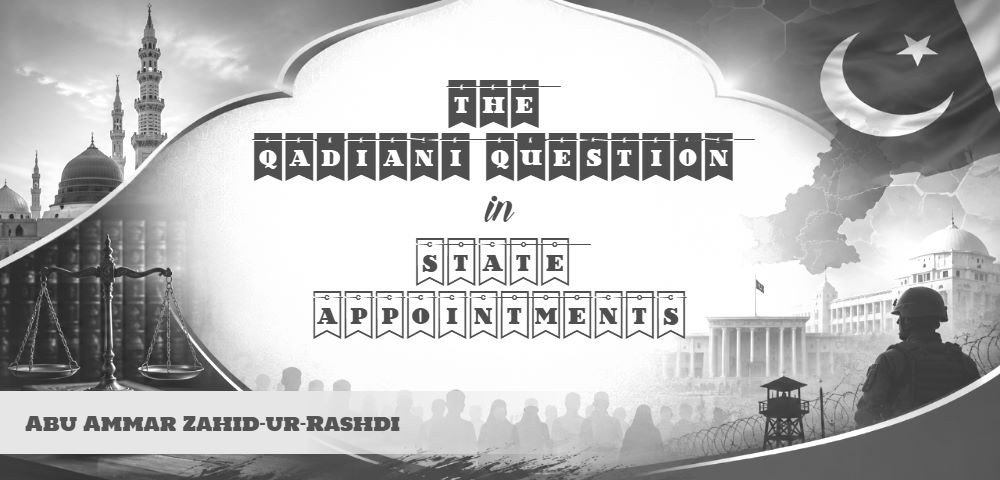
The Qadiani Question in State Appointments
Abu Ammar Zahid-ur-Rashdi

تلاش

شماریات